
The manufacturing landscape is benefiting from the advancement of technology, so much so that, it accounted for 8.0% of employment in the first quarter of 2023. However, manufacturers are facing a biting shortage of skilled labour and an ageing workforce that hampers their productivity.
To overcome these challenges top manufacturers are prioritising the use of occupational health assessments and services to improve employee relations and productivity. Recent reports should those that have invested have experienced a productivity increase of up to 90%.
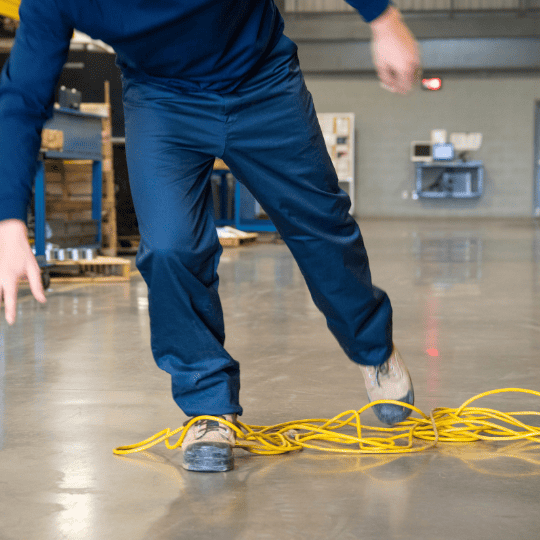
Safety isn’t merely about circumventing hazards from machinery or workflows. It’s an intricate blend of eliminating dangerous circumstances and promoting a healthier, vigilant workforce. Issues like overexertion, thermal distress, or physical exhaustion can undermine risk recognition, necessitating a solid focus on your employees health.
Occupational Health: A Proactive Stance for Workplace Wellness
Beyond protective gear and safety barriers, occupational health presents a proactive approach to employee wellness. By nurturing a culture where health and well-being are paramount, we can revolutionise workplace ethos and bolster adherence to safety protocols. The neglect of occupational health can lead to profound and far-reaching consequences.
The UK Manufacturing Industry: A Case Study in Workplace Safety
The recent rise in workplace accidents within the UK’s manufacturing sector substantiates the importance of occupational health. Preventable accidents led to 22 fatal incidents between 2021 and 2022, with falls and collisions with objects as the primary causes. This underscores the need for rigorous safety measures and healthier employees who have excellent alertness.
Cultivating a Safety Culture: The Role of Occupational Health
Assuming employees will naturally develop vigilance is misguided. It requires a concerted effort to foster a culture where safety and wellness intertwine. The World Health Organisation reports that a dismissive attitude towards occupational health can trigger employee burnout. This includes chronic unmanaged stress, reduced attention spans, feelings of exhaustion, and diminished efficacy.
The Economic Impact

The Health and Safety Executive reported that occupational health issues cost the UK economy a staggering £18.8 billion across all sectors between 2019 and 2020.
Manufacturing being among the top industries for workplace injuries and occupational illness, calls for immediate attention.
Enhancing Occupational Health: Keys to a Safer Workforce
To address this situation, these strategies for enhancing OH within manufacturing may prove useful:
Fostering Vigilance Among Healthier Machinery Operators
Operating heavy machinery requires specialised acumen and constant vigilance. Maintaining excellent overall health can enhance situational awareness. Health surveillance, safety critical medicals, and stringent drug and alcohol testing are essential measures to reduce accidents. Promoting a culture of self-reporting and mutual responsibility can make workers feel secure in disclosing health-related concerns.
Advancing On-site Health and Safety Services
Regular health surveillance lays the groundwork for a safety-first culture. Identifying factors that undermine employee efficiency and focus can guide corrective measures. Furthermore, easy access to health services on-site can expedite resolution of health concerns.
Reinforcing Injury Prevention through Personal Protective Equipment (PPE)
To pre-empt injuries effectively, a comprehensive approach towards occupational health is needed. Embedding PPE requirements within a health-centric culture can cultivate a safer and healthier environment for all.
Applying Ergonomics to Prevent Injuries

Repetitive stress injuries can result from overuse of limbs or repetitive strain on the body. These can be substantially mitigated through the application of ergonomics – the science of minimising physical strain at work. A comprehensive ergonomics programme can facilitate task completion with minimal strain, reducing the likelihood of injuries and improving workplace health.
Bolstering Overall Employee Health and Wellness
A workforce’s sense of well-being significantly influences their focus and motivation. Within the high-stress environment of manufacturing, employees are prone to burnout, depression, and anxiety. Incorporating mental health within the scope of occupational health is crucial.
Training select staff as Mental Health First Aiders can help identify and support colleagues experiencing mental health difficulties. Employee Assistance Programmes offering stress management, coupled with regular breaks, and encouraging proper rest periods can reduce fatigue-related accidents and contribute to a healthier and safer workforce.
A Healthier Workforce Leads to a Safer Workforce
As a manufacturer, the responsibility of protecting your workforce from harm rests with you. Investing in Occupational Health services not only supports you in reducing accidents, but also protects you by creating a healthier, happier, and more productive workforce. This, in turn, cultivates an atmosphere of increased vigilance and adherence to safety protocols, thereby significantly enhancing occupational health and safety.

Occupational Health Services: Your Path to a Safer Workforce
Creating a healthy and safe workplace is a multi-dimensional effort, critical to the overall efficiency and safety of the workplace. Its implementation might be time-consuming and complex, but assistance from occupational health experts, like K2 Occupational Health, can make this transition smoother. Avail personalised, on-site occupational health services to manage risks, enhance employee well-being and boost productivity.
Discover more and request a free consultation today.