
When working in confined spaces, understanding how to manage and mitigate risks is crucial for the safety of all involved. Confined spaces are not designed for people to work in regularly, making them inherently hazardous. This guide walks you through the essential steps of conducting a robust confined space risk assessment, identifying potential hazards, and implementing best practices and measures to ensure a safe work environment. With a focus on prevention, precaution, and preparedness, we’ll share practical strategies and tools to help safeguard your workers from the unique dangers of working in confined spaces.

What is a Confined Space Risk Assessment?
What is a Confined Space Risk Assessment?
A confined space risk assessment is a systematic process aimed at identifying, analysing, and controlling the hazards associated with working in spaces like tanks, vessels, silos, storage bins, hoppers, vaults, and pits. These environments can quickly become life-threatening due to factors like lack of oxygen, hazardous gases, and the risk of fire. Conducting this risk assessment before entry is not just a regulatory requirement – it’s a critical step in ensuring the safety and protection of your workers.
Assessing the Risks: Identifying Potential Hazards
Potential hazards in confined spaces often stem from toxic gases, flammable or explosive atmospheres, oxygen deficiency, and structural hazards that increase the risk of entrapment or collapse. To effectively assess the risks, you must identify potential hazards using historical data, physical inspection, and atmospheric testing. This proactive approach ensures that all known and foreseeable risks are accounted for before work begins.
Best Practices to Reduce the Risks
Developing a Safe System of Work
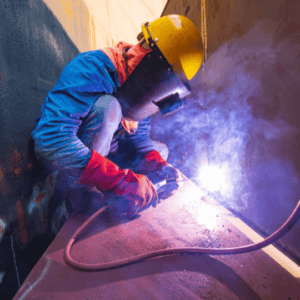
Developing a Safe System of Work
Developing a safe work system, utilising appropriate personal protective equipment (PPE) and breathing apparatus, and implementing adequate emergency and rescue arrangements are all cornerstones of reducing risks associated with confined space work. Planning every aspect of the entry and work process allows you to manage and control potential hazards more effectively.
Assessment Tools and Measures for Working Safely
The selection and use of appropriate risk assessment tools, preventing unauthorised entry, and providing comprehensive training for workers and supervisors are essential measures to ensure safety in confined spaces. These tools and practices will facilitate a thorough assessment and help maintain a secure work environment.
Addressing the Risks of Fire, Gas, and Lack of Oxygen
Reducing the risk of fire, managing gas hazards through detection and ventilation, and mitigating the dangers posed by oxygen deficiency and enrichment are critical considerations when working in confined spaces. Proper planning and strict adherence to safety protocols are essential in preventing these potentially deadly conditions.
Prioritising Confined Space Medicals with K2 Occupational Health

Prioritising Confined Space Medicals with K2 Occupational Health
Ensuring your workers are medically fit to enter and perform their duties is at the heart of working safely in confined spaces. That’s where K2 Occupational Health can help.
Our team of experienced healthcare professionals specialises in conducting comprehensive confined space medicals and evaluating your workers’ physical and mental fitness to work in these hazardous environments. By partnering with us, you can know that your team is prepared and protected.
Don’t let the risks of confined space work catch you off guard. Contact K2 Occupational Health today to schedule your confined space medicals and take the next step towards a safer, more secure work environment for your team.